Coaching
Coaching is a series of focused conversations that help you get clear on what you want and then move towards it: a new job, a business idea, more confidence, a better balance between work and home. A coach asks good questions, helps you see your options and keeps you on track between sessions. Coaches in the UK belong to professional bodies with training standards, credentials and a code of ethics, so choosing one with confidence is straightforward.
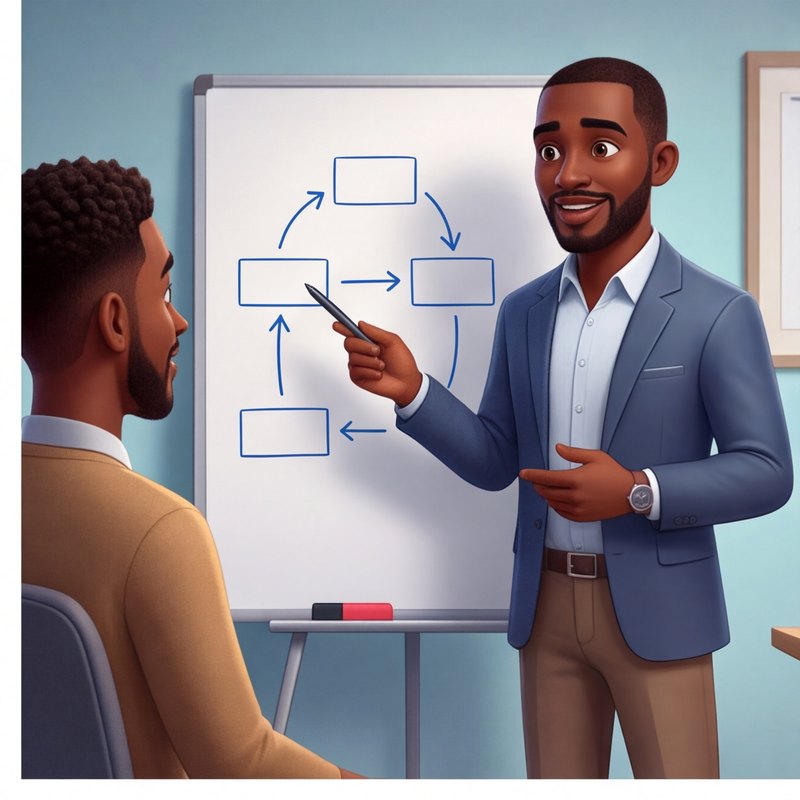
What happens at a first session
Most coaches start with a short, free chat to see if you are a good fit. The first proper session is about where you are now and where you would like to be. Your coach will ask what is going well, what feels stuck and what a good result would look like for you.
Together you agree a few clear goals and how you will work: how often you meet, how long each session lasts, and how you can get in touch in between. Sessions can be face to face, by video or by phone, and many people find video just as useful as meeting in person.
Each session usually ends with something to try before the next one. That is where a lot of the progress happens: you put ideas into practice, then talk through what you learned.
What people come for
People most often come to a coach for:
Coaches often specialise. A career coach and an executive coach will work in quite different ways, so it is worth looking for someone whose experience matches what you want.
Find coaches near you
26 coaches in the Practitioner directory, each with a phone number. Pick your town:
Or by what you would like help with: goals and direction · career change and work · confidence · motivation · work-life balance · leadership and management · life changes · stress · unwanted habits · relationships
Coaching and therapy
Coaching looks forward. It is about your goals, your choices and the steps you take next. Therapy, such as counselling or psychotherapy, gives more room to explore the past and how you are feeling, and it is there for people going through a difficult time.
The two work well side by side, and many people use both at different points in their lives. A good coach is clear about what coaching is for. If something comes up that another kind of support would help with better, they will say so kindly and suggest where to look, which is part of the professional standards coaches sign up to. Our directory lists counsellors and therapists too.
How many sessions, and what it costs
Coaching usually runs as a set number of sessions, often somewhere around six, spread over a few months. Some people come for a single session to work through one decision; others keep a coach for longer while they settle into a new role or grow a business.
Prices vary a lot depending on the kind of coaching, the coach's experience and credentials, and whether the work is paid for by you or by an employer. Executive and business coaching is usually priced higher than personal life coaching. Many coaches offer packages and a free first chat, and each coach lists their prices on their page.
Professional bodies and credentials
Coaching in the UK is self-regulated through professional bodies. Each one sets standards for training and practice, has a code of ethics and offers a way to raise a concern. The three main bodies are:
- The International Coaching Federation (ICF), the largest coaching body worldwide. It awards three credentials that build in steps of training and hours of real coaching: ACC (Associate Certified Coach, at least 60 hours of training and 100 hours of coaching), PCC (Professional Certified Coach, at least 125 hours of training and 500 hours of coaching) and MCC (Master Certified Coach, at least 200 hours of training and 2,500 hours of coaching).
- The European Mentoring and Coaching Council (EMCC), which accredits coaches, mentors and coaching supervisors at several levels through EMCC Global. EMCC UK is its UK branch.
- The Association for Coaching (AC), an independent, not-for-profit body with its own coach accreditation and a member directory.
EMCC and the Association for Coaching share a Global Code of Ethics, which covers how coaches look after their clients.
A credential from one of these bodies shows that a coach has trained to a recognised standard, been assessed, and keeps learning. The ICF and the Association for Coaching both have a public directory, so you can look a coach up in a minute.
Choosing your coach
The relationship matters most, so take your time and have a chat with one or two coaches first. Good things to ask:
- Where did you train, and do you hold a credential or accreditation?
- Which professional body are you a member of?
- What kind of people and goals do you usually work with?
- How do your sessions work, and how do we keep track of progress?
- How many sessions do you suggest, and what will it cost in total?
- Do you have a coaching supervisor, and professional insurance?
- Do you offer a free first chat?
Want to look someone up? Check a practitioner's registration → every regulator and register in one place, with links to their public searches.
Common questions
What is the difference between a coach and a counsellor?
Coaching looks forward, at your goals and the steps to reach them. Counselling gives more space to explore feelings and past experiences, and supports people through difficult times. Many people use both, and a good coach will suggest other support when that would help more.
What do ACC, PCC and MCC mean?
They are the three credentials awarded by the International Coaching Federation: Associate Certified Coach, Professional Certified Coach and Master Certified Coach. Each step needs more training and more hours of coaching experience.
How do I check a coach is properly trained?
Ask which professional body they belong to and which credential they hold. The International Coaching Federation and the Association for Coaching both have public directories, and EMCC accredits coaches at several levels.
Can coaching be done online?
Yes. Many coaches work by video or phone as well as face to face, and plenty of clients find online sessions just as useful and easier to fit around work.
How many coaching sessions will I need?
Many coaching programmes run for around six sessions over a few months, but it depends on your goals. Some people come for one session to make a single decision.
Will my employer pay for coaching?
Some employers do, especially for leadership, career development or returning to work. It is worth asking your manager or HR team.